
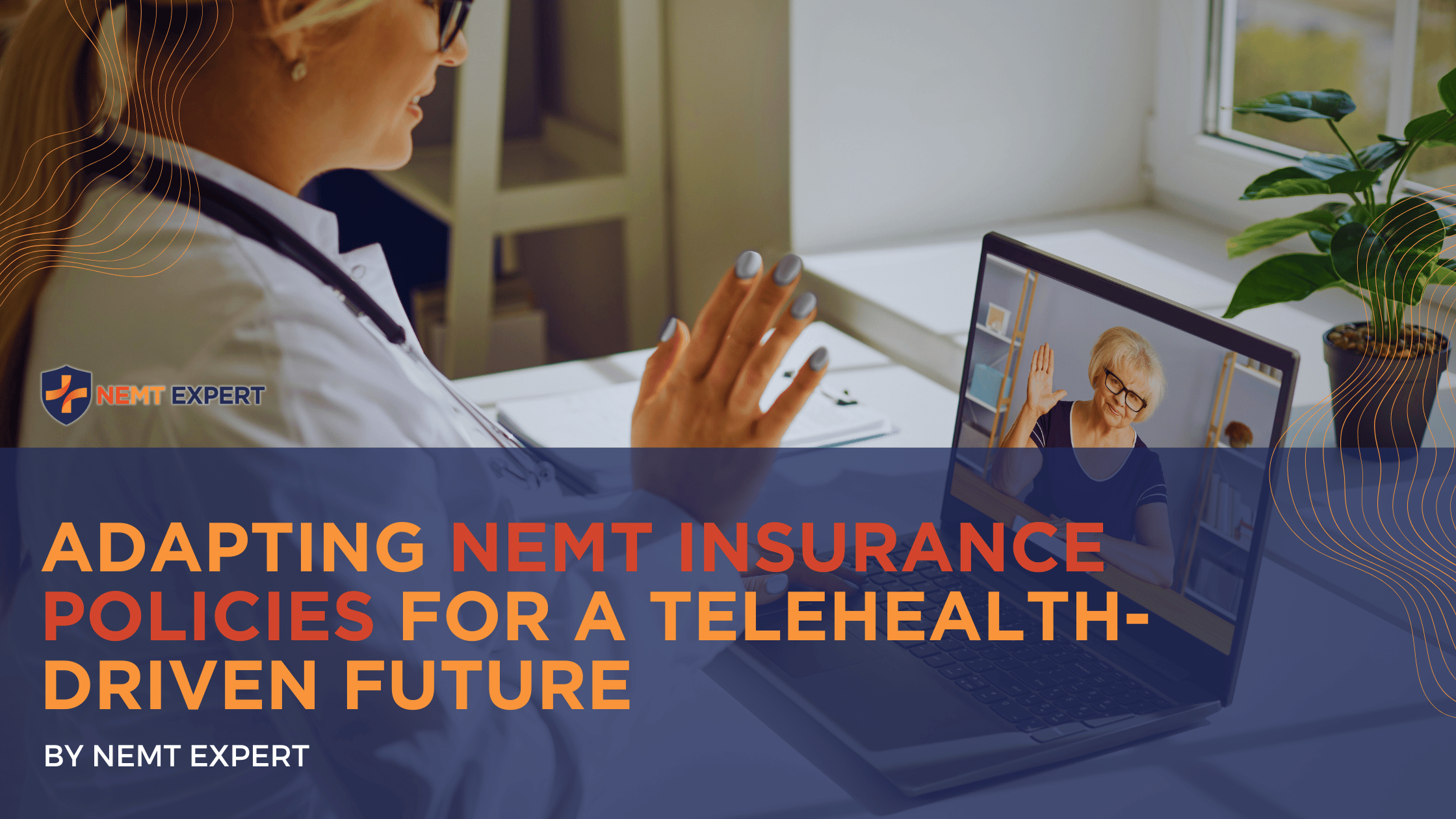
The world of healthcare is changing at warp speed, and if you’re in the Non-Emergency Medical Transportation (NEMT) industry, you’ve probably already felt the shift. Telehealth—along with remote consultations, wearable devices, and remote patient monitoring—has leapfrogged from “next big thing” to daily necessity. While these advancements bring convenience and better access for patients, they’re also shaking up the very foundation of NEMT. The old model of transporting patients from home to clinic and back doesn’t quite cut it anymore. And that, providers, means it’s time to rethink your NEMT insurance policies to keep your business protected and profitable.
If you want an insurance strategy that’s ahead of the curve—not just catching up—grab a seat, because we’re diving deep on how telehealth and remote patient monitoring are changing the rules of NEMT, and what NEMT insurance policies you need to stay in the game.
Why Telehealth Is Transforming Every Corner of Healthcare
Telehealth isn’t a fringe trend anymore. It’s front and center across all levels of healthcare—sometimes even as the first and only point of contact between patient and provider. Here’s a look at the new reality:
- Convenience That’s Hard to Beat: A patient can see their physician, follow up with a specialist, and discuss lab results—all from the comfort of their own living room.
- Remote Patient Monitoring: From blood pressure cuffs to smartwatches, wearable tech now alerts care teams to health issues in real time—no need for a physical visit.
- Expanded Access: Rural and underserved urban areas, where non emergency medical transportation services might have been the only way to reach healthcare, now get virtual care options.
- Cost Savings: Virtual health cuts down on transportation and facility overhead for healthcare systems and insurance programs like Medicaid.
But here’s the rub: as virtual visits and remote patient monitoring decrease the number of patient trips, they also shrink the volume (and revenue) for traditional NEMT providers.
The Telehealth Effect: How Non-Emergency Medical Transportation Is Adapting
Let’s get real: telehealth is both a challenge and an opportunity for NEMT companies. On one hand, fewer doctor’s office visits can mean fewer rides. On the other, new hybrid care models actually create a different kind of demand—one that is more complex and specialized.
Trends Driving Change:
- Hybrid Care Is On the Rise: Patients often need both virtual check-ins and occasional in-person visits for tests or procedures. NEMT providers who can flex quickly will win.
- Remote Patient Monitoring = New Kinds of Trips: Delivering and servicing remote patient monitoring equipment, running same-day transports based on real-time health alerts, or transporting patients to clinics for follow-up after a virtual appointment.
- Partnering With Health Networks: Hospitals, Medicaid and Medicare plans, and telehealth platforms all need reliable non-emergency medical transport for critical, time-sensitive trips.
Example: A provider in Florida reported that 35% of their latest monthly bookings were “last-minute” NEMT trips prompted directly by remote patient monitoring alerts, such as sudden changes in heart rate or blood sugar.
The New Coverage Checklist: Evolving NEMT Insurance Policies for Telehealth
Not all NEMT insurance is built for the future. Outdated policies can leave you exposed to risks that barely existed a few years ago. Here’s what you need to be thinking about when aligning your NEMT insurance policies with a telehealth-driven world.
1. Dynamic, Flexible Insurance for Hybrid Service Models
With on-demand telehealth and hybrid care, your trip volumes and vehicle usage might spike or plummet week by week.
NEMT Insurance Policies to Prioritize:
- Flexible Commercial Auto Insurance: Works for fluctuating trip volumes, so you’re covered whether your fleet is busy or standing by.
- NEMT General Liability Insurance: Protects you if there’s an incident as you’re adjusting routes for patients coming from a video visit to a facility in a hurry.
- Same-Day Coverage Endorsements: Certain non emergency medical transportation insurance providers now offer options for surge scheduling or last-minute fleet additions.
Quick Tip: Ask your broker if your policy can scale up or down easily. You don’t want to pay for idle vehicles, but you need to be protected when activity ramps back up!
2. Liability Protection for Telehealth-Triggered Trips & Equipment
What happens if you’re transporting a patient on short notice, based on a telehealth recommendation, and there’s an accident? Or your team is handling sensitive, expensive remote monitoring gear? That’s liability territory—make sure you’re covered.
Key Coverages:
- Professional Liability Insurance for NEMT: Covers claims stemming from errors in scheduling or delayed transport related to telehealth services.
- Equipment and Cargo Insurance: Protects you when transporting medical devices or remote monitoring equipment, which is becoming increasingly common as more healthcare providers include equipment delivery as part of the patient care model.
- Umbrella Insurance for NEMT Companies: Provides extra peace of mind and coverage for the unpredictable, high-stakes nature of emergency telehealth-initiated transports.
Example in Action: One NEMT provider in Texas added cargo liability insurance after multiple requests to deliver and install glucose monitors and telehealth kits for Medicaid patients. When a device was damaged in transit, their updated, specialized policy covered the full replacement cost—no financial loss, no operational downtime.
3. Navigating New Compliance and Documentation Requirements
Telehealth and remote patient monitoring introduce new rules for everyone—including NEMT businesses. States are updating their regulations to address these hybrid models, and Medicaid and Medicare are shifting eligibility rules and standards for NEMT reimbursement.
Stay Ahead By Updating:
- NEMT Insurance Compliance for Medicaid Providers: Ensure you understand and meet both state and federal compliance requirements, from insurance minimums to documentation protocols.
- Cyber Liability Insurance: Telehealth-related trips can mean handling protected healthcare data electronically—think HIPAA. Your coverage should include protection from data breaches and cyber threats.
- Contractual Liability Insurance: As you ink new deals with telehealth platforms or healthcare systems, make sure your policies meet contractual obligations and protect you from disputes related to hybrid, technology-integrated care.
Pro Tip: Choose best NEMT insurance providers who offer compliance resources and claims support specific to evolving state and federal telehealth laws.
4. Cost Management—Balancing Fluctuating Demand and Insurance Cost
Telehealth may reduce your trip numbers, but your fixed costs (vehicle leases, insurance, staffing) don’t simply disappear. That’s why having a cost-effective NEMT insurance program—one that is truly built for non-emergency medical transport businesses in a hybrid world—is crucial.
What to Look For:
- Bundled NEMT Commercial Insurance: Lower your rates by combining general liability, auto, and professional coverages.
- Usage-Based and Adjustable Policies: Some NEMT insurance companies now offer plans where rates are tied to actual mileage or vehicle utilization, not flat fees.
- Deductible Options: Work with your broker on balancing premium cost versus deductible. For newer, infrequent vehicles, a higher deductible might make sense.
How much does NEMT insurance cost? The answer is changing. Shop around, compare NEMT insurance quotes, and ask about plans that change with your business model.
5. The Telehealth Business Opportunity: Build Partnerships, Not Just Rides
It’s not all about losses. Many NEMT businesses are striking powerful partnerships with telehealth and remote patient monitoring companies.
How?
- Providing Tech-Enabled Transport: GPS tracking and live ETAs, integrated with patient portals, create a seamless care journey.
- Customizing NEMT Insurance Coverage: Some insurers are responding with plans for on-demand, hybrid telehealth-related transport, covering both patient liability and device delivery risks.
- Engaging with Medicaid, Brokers, and Hospitals: Winning contracts in this area can mean stable, recurring revenue streams—at the right coverage level.
Winning Case: SafeTransport LLC, a mid-sized NEMT provider in Georgia, landed a major contract to serve as the exclusive transport partner for a Medicaid telehealth pilot. Their edge? They offered full insurance for both medical device transport and hybrid, on-demand trips. Their insurer reviewed and customized liability limits to match the pilot’s exact needs.
Practical Steps for Adapting Your NEMT Business
Ready to make the pivot? Here’s a step-by-step roadmap to align your non-emergency medical transportation business with the new hybrid healthcare landscape:
Step 1: Assess Your Fleet and Services
- Analyze how telehealth and remote patient monitoring have changed your routes and trip numbers.
- Identify new business opportunities: equipment drop-offs, on-demand rides for telehealth follow-up.
Step 2: Review and Update Your NEMT Insurance Policies
- Meet with your insurance broker or nemt insurance company—bring detailed fleet utilization reports and show telehealth’s impact.
- Adjust coverage for commercial auto, general liability, and professional liability to reflect your evolving services.
- Ask about coverage for medical devices, remote monitoring equipment, and cyber threats.
Step 3: Evaluate Compliance and State-Specific Requirements
- Research non emergency medical transportation insurance requirements in your state.
- Ensure your nemt insurance program aligns with Medicaid/Medicare’s ever-changing standards for telehealth-driven trips.
Step 4: Optimize Technology & Training
- Deploy GPS tracking for efficient management and compliance reporting.
- Upgrade to scheduling software that syncs with telehealth providers and Medicaid portals.
- Train staff about policy changes and liability coverage, especially concerning telehealth and remote monitoring.
Step 5: Communicate With Partners
- Reach out to hospitals, brokers, and telehealth providers—show off your flexible insurance coverage and readiness for hybrid care.
- Highlight your compliance and risk management (it’s a competitive advantage in today’s hybrid healthcare economy).
Looking Ahead: The Future of NEMT Insurance Coverage
As telehealth and remote patient monitoring continue to evolve, the gap between innovative NEMT providers and laggards will only widen. Companies that adapt their NEMT insurance coverage—embracing hybrid service risks, device transport, compliance, and modern liability concerns—will earn more contracts, keep liability costs in check, and grow their reputation as trustworthy healthcare partners.
Don’t let outmoded policies or “set-it-and-forget-it” coverage leave your business vulnerable. Invest in an agile NEMT insurance program that fits this new era—where every trip, every contract, and every patient need is covered.
Protect Your Future—With the Right NEMT Insurance Policies
At NEMT Expert, we know that your business is changing fast—and so are your risks. We offer the best NEMT insurance providers for hybrid care models, telehealth partnerships, and remote patient monitoring. Whether you need commercial auto insurance, umbrella insurance, cyber liability coverage, or a bundled policy for all of the above, we make getting protected easy and affordable.
Want to see just how much smarter your NEMT insurance can be?
📞 Call us today for a FREE customized NEMT insurance quote! Let’s transform your business, keep you compliant, and ensure your non emergency medical transportation company is ahead of the curve—no matter how healthcare evolves.
Stay ahead of the industry with coverage that adapts as quickly as you do. Because in the business of care, the only constant is change—and it pays to be prepared.