
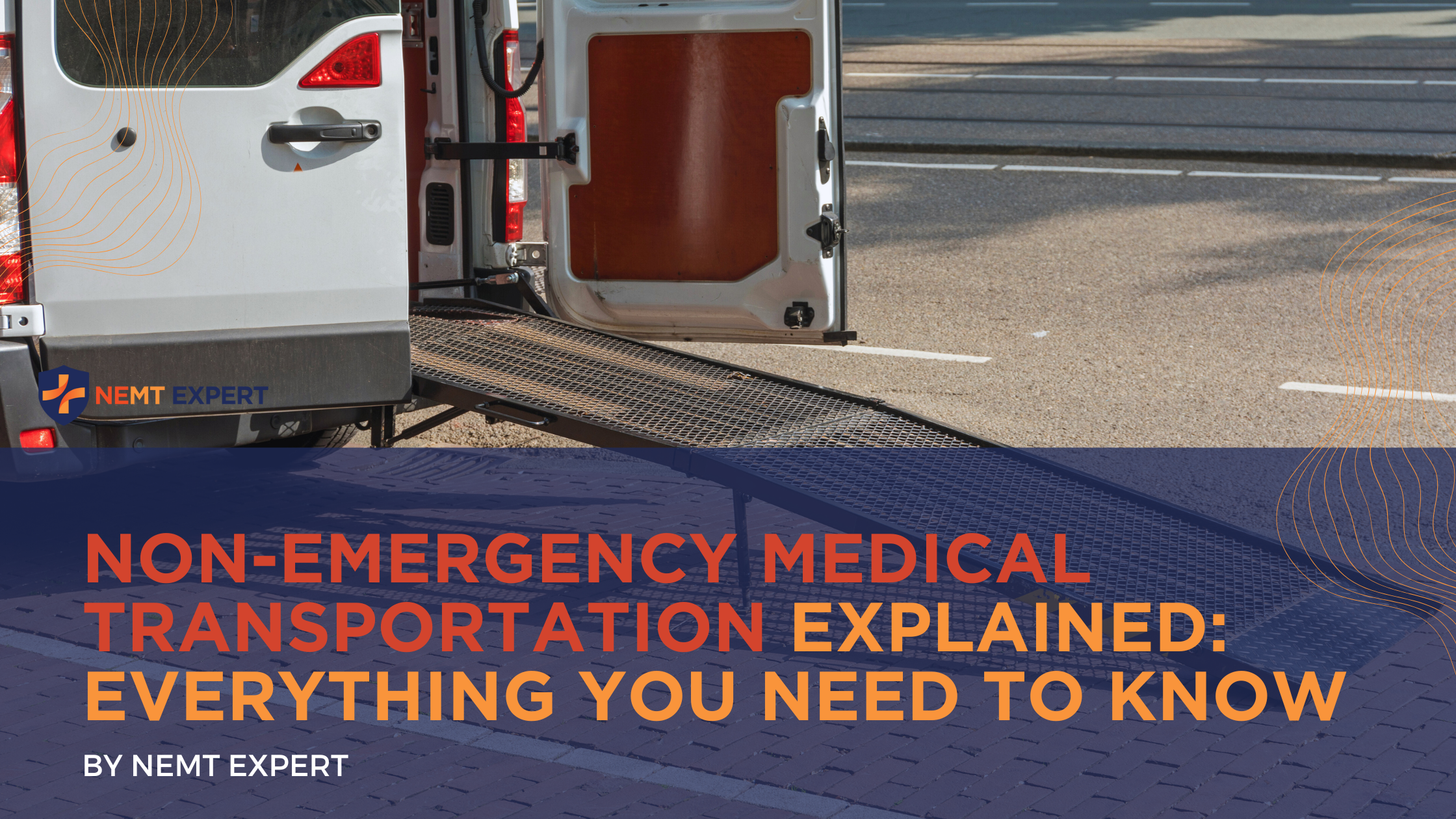
Access to healthcare is more than just finding the right doctor or the nearest hospital. For many people, especially those with mobility challenges or other barriers, getting to those appointments safely and reliably can be a significant hurdle. That’s where Non-Emergency Medical Transportation (NEMT) steps in as a life-changing solution.
NEMT is about more than just rides; it’s about ensuring access to essential care for individuals who would otherwise be left behind. From facilitating dialysis sessions to helping elderly patients get to routine check-ups, NEMT plays a critical role in bridging healthcare gaps. Below, we’ll break down everything you need to know about NEMT, how it works, and why it’s a pillar in modern healthcare.
What Is Non-Emergency Medical Transportation (NEMT)?
Non-Emergency Medical Transportation refers to prearranged transportation services for individuals who need assistance getting to non-emergency medical appointments. Unlike ambulances responding to life-threatening emergencies, NEMT services focus on scheduled, routine rides for healthcare-related needs. This could include rides to doctor appointments, therapy sessions, pharmacy visits, or diagnostic tests.
Typically, NEMT is used by:
- Elderly individuals who are unable to drive
- Patients with mobility challenges requiring specialized transport
- Medicaid beneficiaries with limited means of getting to appointments
- People recovering from surgeries or managing chronic conditions requiring frequent care
NEMT ensures individuals have access to the healthcare services they need, making it a vital part of the healthcare ecosystem.
Types of NEMT Services Available
NEMT encompasses a range of services designed to meet diverse needs. Here are the most common types:
1. Ambulatory Transportation
This is the most basic form of NEMT service for patients who can walk on their own or with minimal assistance. It involves standard vehicle transport for routine medical visits.
2. Wheelchair Transportation
For patients who use wheelchairs, this service provides specialized vehicles equipped with ramps or lifts to accommodate them comfortably and safely.
3. Stretcher Transportation
Patients who need to stay in a lying-down position while being transported require stretcher services. This type of service is common for those recovering from surgery or experiencing severe physical impairments.
4. Specialized Medical Transport
Some patients may require additional medical assistance during transit, such as oxygen therapy or monitoring by trained personnel. These vehicles and drivers are equipped to handle these unique needs.
Real-Life Benefits
Consider a diabetic patient who relies on dialysis a few times each week but lacks access to a personal vehicle. NEMT, equipped with wheelchair-accessible vans, ensures that patient can receive life-saving treatments consistently. Without this service, maintaining their health might become nearly impossible.
Who Benefits from NEMT Services?
NEMT provides immense benefits to various groups of people, including:
- The Elderly: Many older adults no longer drive due to declining vision, strength, or cognitive function. NEMT enables independence and ensures access to routine medical care without burdening family members.
- The Disabled: NEMT empowers individuals with disabilities, especially those who require specialized equipment or care during transit, by giving them the freedom to attend appointments safely.
- Medicaid and Medicare Beneficiaries: For low-income individuals, transportation costs can be a significant barrier to healthcare. Medicaid often covers NEMT services, ensuring these patients access necessary treatments without financial strain.
- Chronic Care Patients: Individuals with long-term conditions like cancer, kidney disease, or heart issues rely on frequent medical visits to manage their health. NEMT ensures they stay consistent with their care plans.
Eligibility Criteria, Booking Processes, and Costs
Understanding how NEMT works is crucial for both users and businesses thinking of entering the field.
Eligibility Criteria
Eligibility for NEMT services depends on the program or provider. Typically:
- Medicaid recipients qualify for NEMT as part of their health benefits.
- Private NEMT services may cater to anyone needing assistance and willing to pay out-of-pocket or through private insurance.
- Clients must demonstrate a need, such as mobility impairments or lack of access to regular transportation.
Booking NEMT Services
The booking process for NEMT is fairly straightforward:
- Providers are contacted (often via Medicaid brokers, third-party agencies, or directly through NEMT companies).
- Riders share details, such as pickup/drop-off locations, medical needs, and any equipment (like wheelchairs).
- Transportation schedules are arranged in advance.
Cost of NEMT
Costs vary depending on the type of service. Medicaid-covered NEMT is typically free for eligible individuals, while private services charge per mile or trip. Specialized services, like stretcher transport or medical personnel accompaniment, may cost more.
An average local NEMT service might cost between $20 and $60 per trip. Longer journeys or advanced medical transport can reach hundreds. For operators, understanding these costs helps determine how to structure their services for profitability.
Real-Life Scenarios That Show the Importance of NEMT
- Case Study 1: Sarah, a 68-year-old woman in rural Ohio, has no family nearby to take her to appointments. Using Medicaid-covered NEMT services, she attends regular cardiology follow-ups. Without these rides, her heart condition risk would increase exponentially.
- Case Study 2: A child with cerebral palsy in Florida needed weekly therapy sessions 30 miles away. NEMT equipped with a wheelchair lift became the family’s lifeline, ensuring uninterrupted therapy during critical developmental years.
Future Trends in NEMT Services
The NEMT landscape is rapidly evolving, driven by technology and demand. Here’s what lies ahead:
1. App-Based Booking Platforms
Much like ridesharing apps, NEMT providers are adopting platforms that make it easy to schedule trips, track drivers, and receive notifications. This seamless experience reduces stress for clients.
2. Telematics Integration
Advanced GPS tracking and telematics systems are being incorporated into NEMT fleets. These systems enhance route efficiency, monitor driver behavior, and keep businesses updated on vehicle maintenance.
3. AI and Predictive Analysis
Algorithms analyze past data to predict patterns, helping providers allocate resources efficiently and minimize missed appointments.
4. Eco-Friendly Fleets
With environmental concerns rising, more NEMT providers are exploring hybrid or electric fleets to reduce carbon footprints while maintaining top-notch services.
5. Expanded Medicaid Programs
Government expansions for Medicaid-funded NEMT coverage are enabling access for more populations, including rural communities historically underserved.
Why NEMT Insurance Is Imperative for Providers
Running a NEMT business comes with risks like vehicle accidents, medical emergencies during transport, and legal liabilities. Comprehensive NEMT insurance protects your business from unforeseen setbacks while ensuring compliance with regulations. Key coverages like Commercial Auto, General Liability, and Professional Liability are essential to keep your operations running smoothly and clients feeling safe.
Secure Your NEMT Business with Reliable Insurance Today
Are you a NEMT provider looking to protect your business and clients with industry-specific coverage? At NEMT Expert, we specialize in comprehensive insurance solutions tailored for NEMT operators. Whether you’re just starting out or expanding your fleet, we offer policies designed to safeguard every aspect of your business, from vehicles to liability.
Don’t wait until an incident happens to reevaluate your coverage. Contact us today to request a custom quote and keep your NEMT operations fully protected. With NEMT Expert, you’re covered every step of the way.